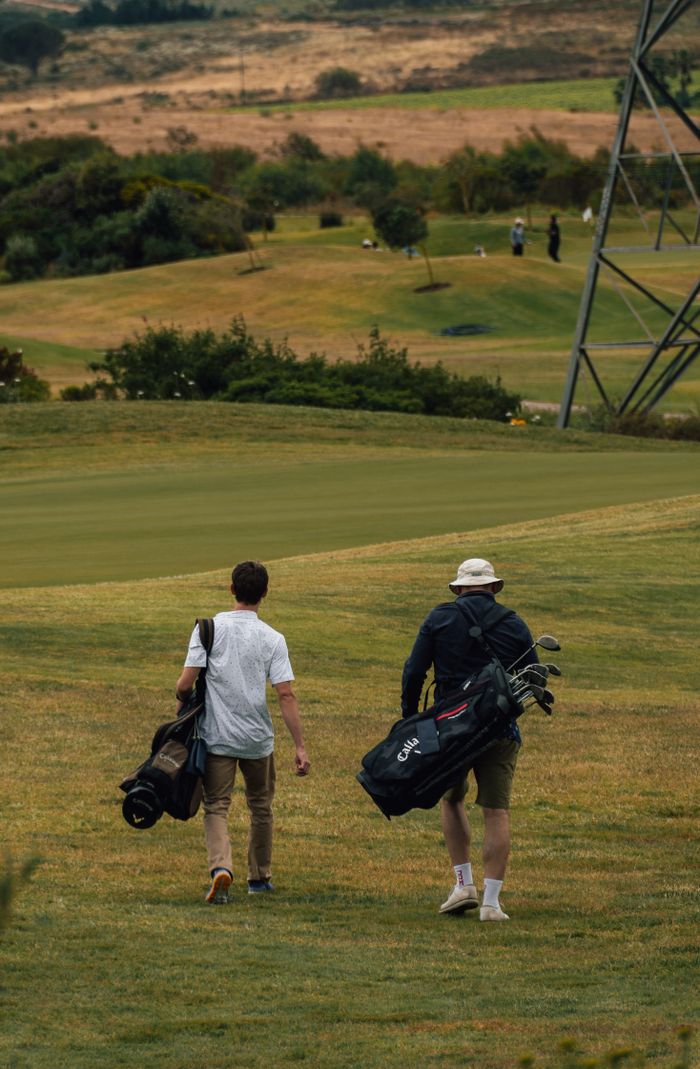
Once you can break 90 most weeks, the question stops being “how do I play?” and becomes “where should I test myself?”. Course architecture is a whole second game — here are the six great families of golf course, what each one examines, and how to arrive ready.
1. Links — golf in the wind
Treeless, dune-carved and defined by weather, links golf is played along the ground: bump-and-runs, stingers and putts from forty yards. Leave the high ball at home and practise the 60-yard runner — it is the single most useful shot on a links.
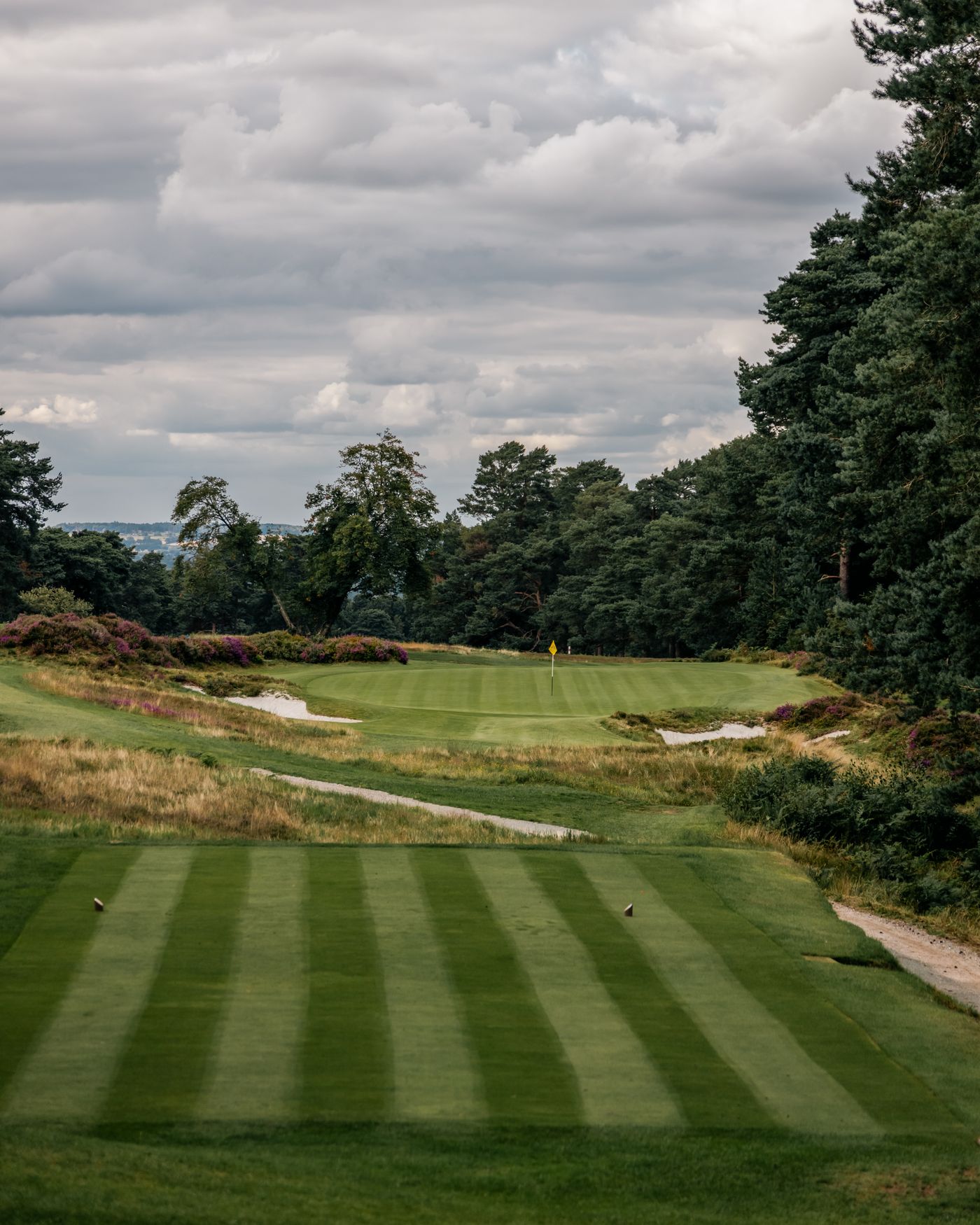
2. Heathland — our home turf
Heather, pines and firm, springy turf — the heathland style we play at Windmere Heath. Heather punishes wayward drives more than any rough, so strategy is everything: position off the tee, patience into firm greens, and respect for the short par-4s that bite back.

3. Parkland — the championship standard
Lush, tree-lined and manicured, parkland hosts most tour events. Ball-striking and distance control rule here: soft greens reward high approaches, so dial in carry numbers with every iron before you travel.
“Experienced players don’t need new swings for new courses — they need new plans. Course management is the cheapest five shots in golf.” — Elena Marsh, Academy Lead
4. Desert — target golf
Grass corridors threading through sand and rock. Desert golf is gloriously binary: find the short grass or reload. Warm up your driving with alignment sticks and commit fully — tentative swings find the desert every time.
5. Mountain — golf in thin air
Elevation changes everything: the ball flies up to 10% further at altitude, downhill lies multiply, and judging distance becomes an art. Take one extra club less than you think, trust yardage books, and enjoy the views between calculations.
6. Resort — golf as celebration
Wide fairways, dramatic water features, generous greens — resort courses are built for enjoyment first. They are the perfect place to debut a swing change under no pressure, or to introduce a friend to the game properly.
How to prepare for any of them
Three steps travel everywhere: learn the course’s dominant miss, practise the shot it demands most, and arrive with a game plan written down. Our coaches build travel-prep sessions around exactly this — one hour, one destination, one plan.